“A hundred years from now, all will be forgotten.” - Knut Hamsun
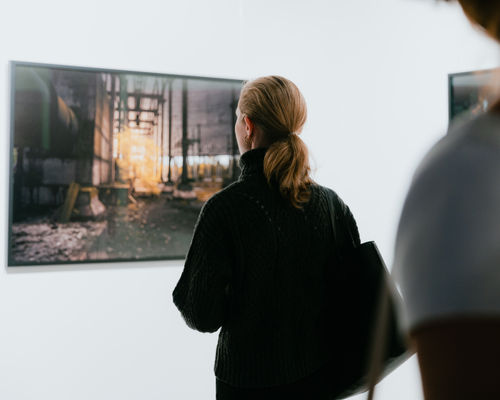
“Chernobyl Series”, an art project by photographer Halfdan Hallseth, was born from a desire to travel into the future. This captivating exhibition explores the deep interplay between time, human existence, and nature’s undeniable force.
Hallseth’s journeys through the forests of western Norway provided the foundation for a thought-provoking exploration of the temporal illusions we hold in contrast to our ever-changing surroundings. The exhibition challenges our perception of silence, setting the seemingly tranquil stillness of the forest against the vibrant, unceasing metamorphosis taking place within it. The photo series underscores nature’s relentless dynamism — an unstoppable, primal force that shapes landscapes and resists stagnation.
What will happen to our cities and the monuments we believe to be eternal symbols of civilization if humanity were to vanish? The central narrative echoes Chernobyl, Ukraine — a place where precisely this occurred, and where human absence paved the way for nature’s return. The Chernobyl disaster on April 26, 1986, remains one of history’s most catastrophic examples of human arrogance. Its grave consequences have rendered vast areas, including the nearby city of Pripyat, uninhabitable for thousands of years.
In less than 40 years, the ruins have become a canvas for unstoppable growth — trees pushing through concrete, blooming atop ten-story buildings, erasing roads and replacing them with dense forest. Each drop of rain contributes to a city’s inevitable decay. Artifacts of human construction yield to nature’s patient rhythm, crumbling into dust, leaving Chernobyl as a symbol of our limited control over the quiet passage of time.
Hallseth’s exhibition reminds viewers of the fleeting insignificance of human existence within the vast tapestry of life on Earth — a species that once stood low on the food chain, unaware of its own arrogance. Perhaps we should remember that time.
